Description
Buddleja/ Buddleia forrestii type limitanea | Forrest’s Butterfly Bush (W/O 7061)
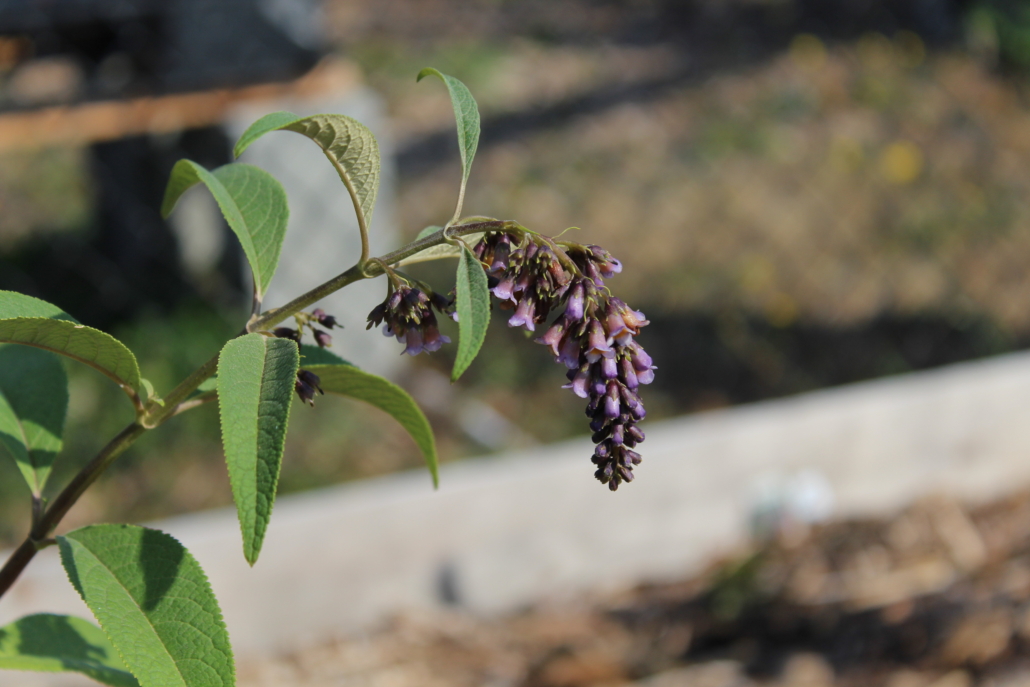
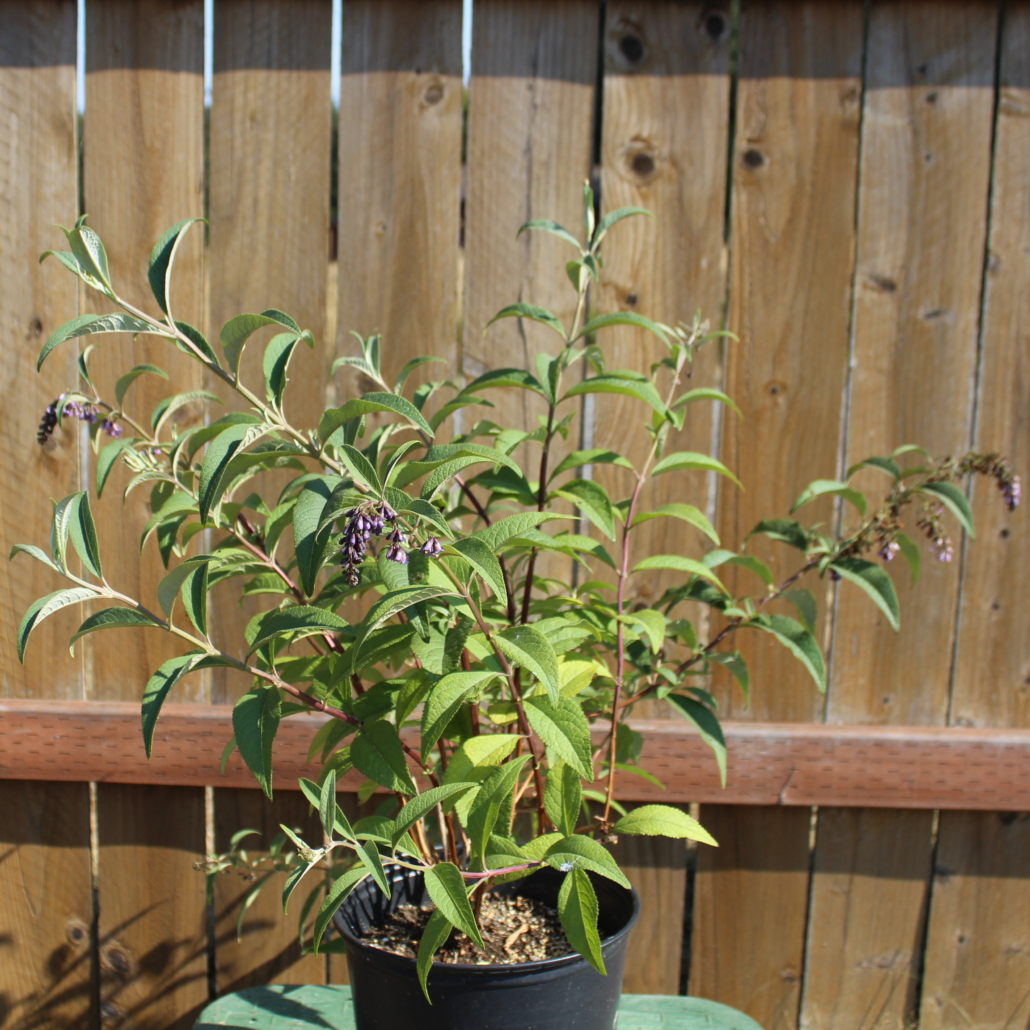
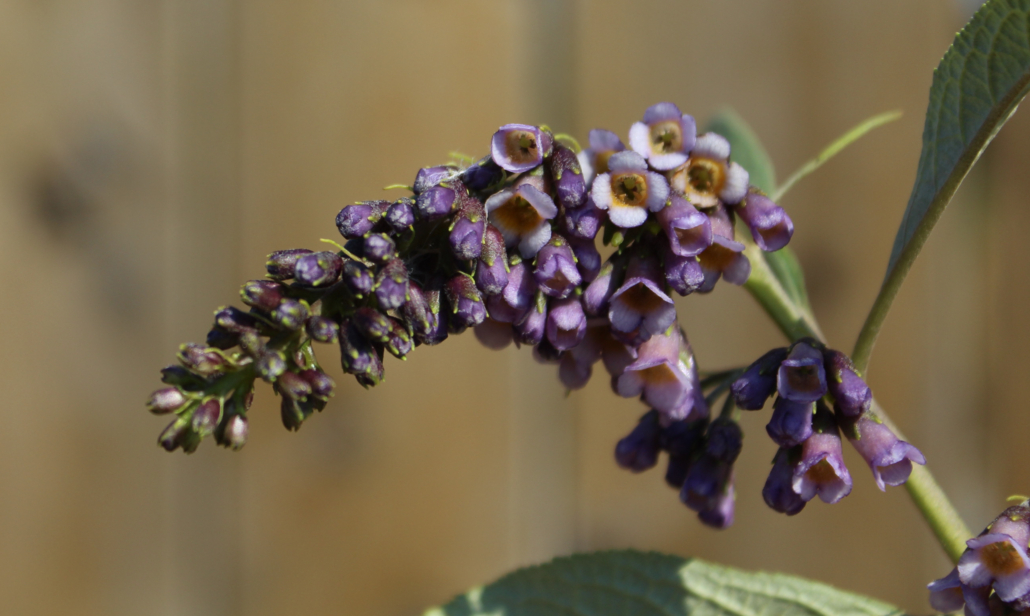
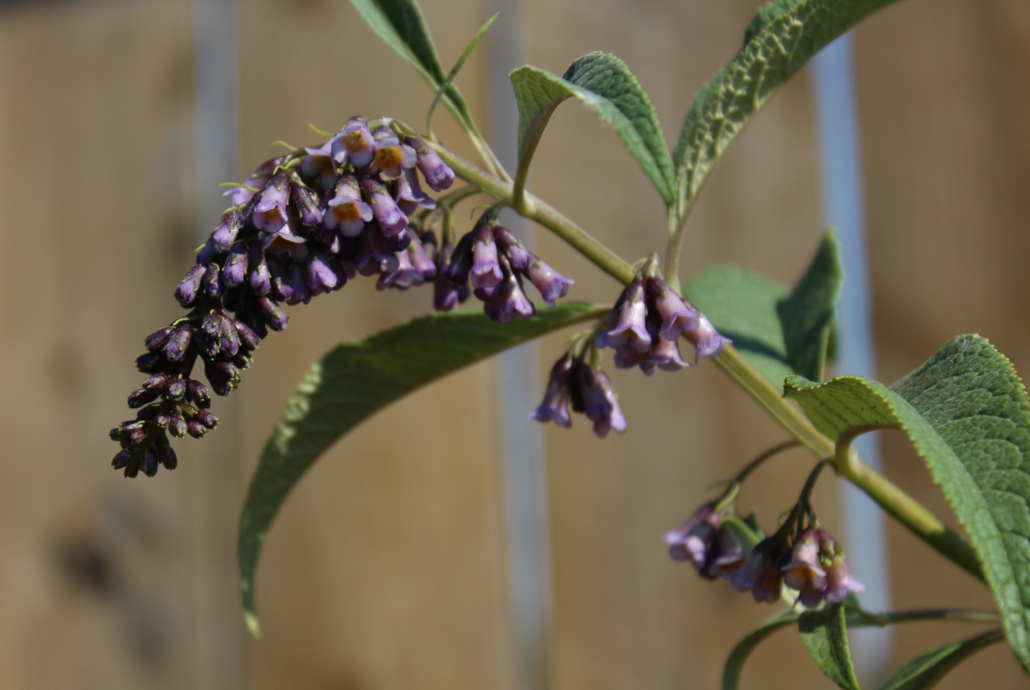
Buddleja forrestii ‘type limitanea’, also often called Buddleja limitanea, or Forrest’s Butterfy Bush, was discovered by George Forrest in Yunnan, China in 1912 and then in northern Burma in 1914. It’s a deciduous, small-to-medium-sized shrub known for its restrained, lax growth habit compared to the main species. While taxonomist Leeuwenberg (1879) originally classified it as a synonym for Buddleja forrestii, it is recognized in horticulture as a distinct, more manageable form, often with smaller foliage and flowers. The blooms are nodding clusters of pendulous pale violet to blue or mauve-purple flowers with orange eyes, blooming summer into early autumn. Because they evolved at high altitudes, they don’t like to be too hot. so should have ahumus rich soil that holds moisture in the summer while being well-draining in the winter.
Forrest’s Buddleja naturally grows in open woodlands, forest edges, and stream banks in mountainous elevations. In the garden, plants grow best in fertile, free-draining soil in full sun, but will tolerate some shade. Goes mostly deciduous in winter and may die back to the ground in extremely cold winters. Site in a sheltered spot if possible and add mulch at the base. For the healthiest growth, it’s recommended to soft-prune in late autumn and then hard prune down to your knees in April, although it probably won’t be necessary for the first couple/few years.
An extremely rare species to find in the United States.
Type: Perennial
Sun exposure: Full sun
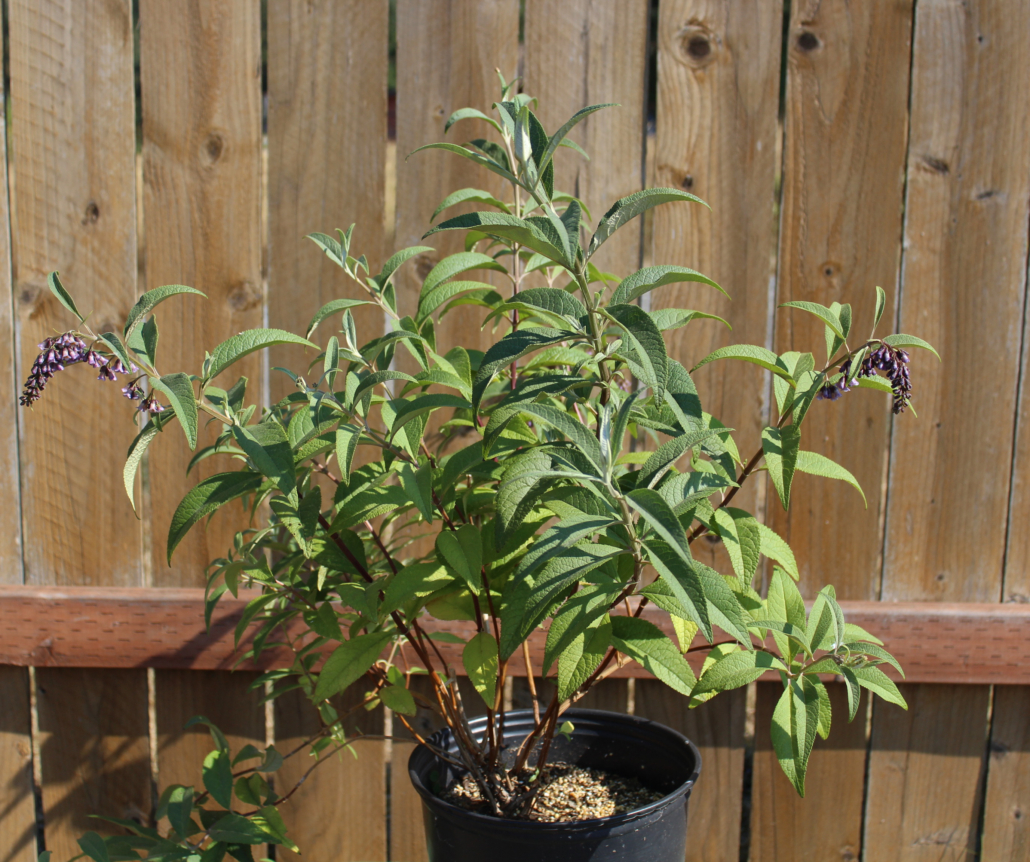
Mature height: 3-5 ft
Mature width- 2-4 ft
Hardiness zones: 7b- 10