
Description
Philadelphius laxiforus (syn P. zhejiangensis) | Copious Mock Orange
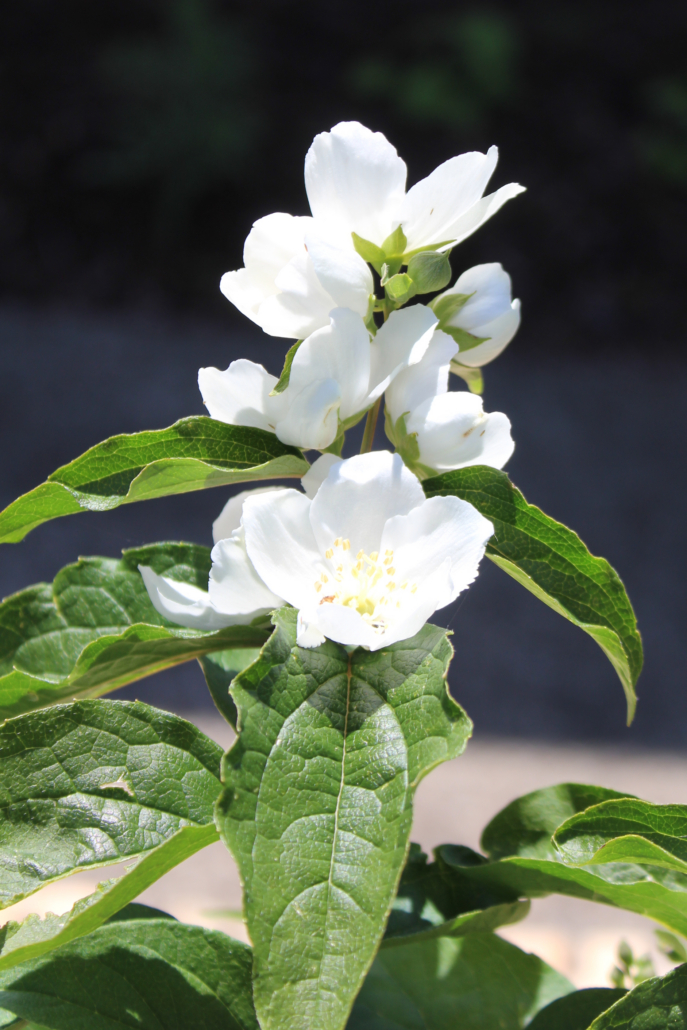
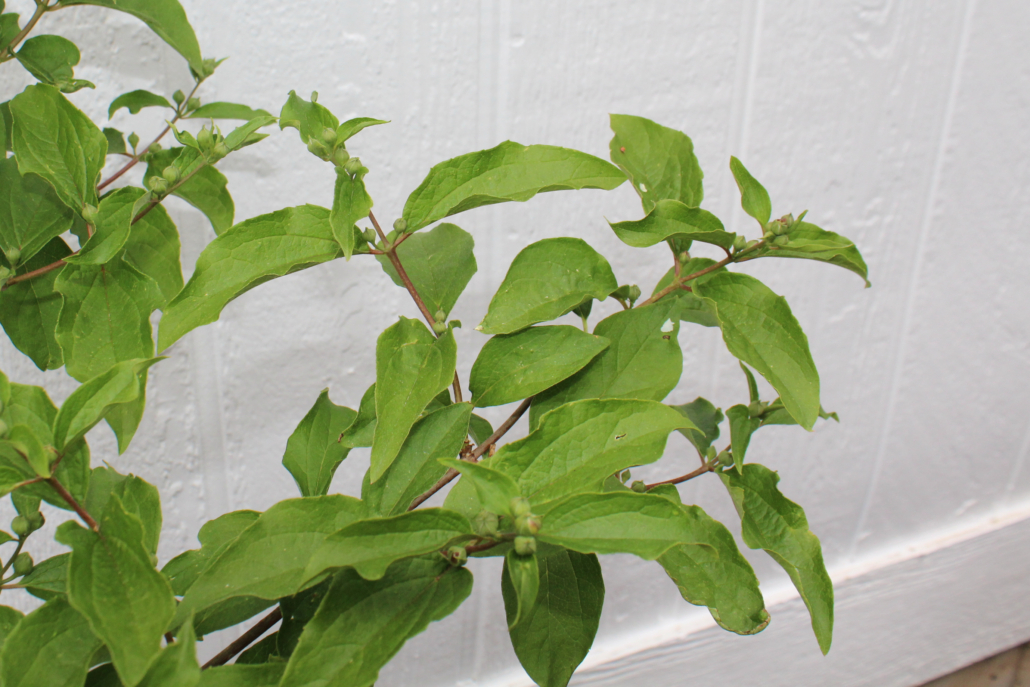
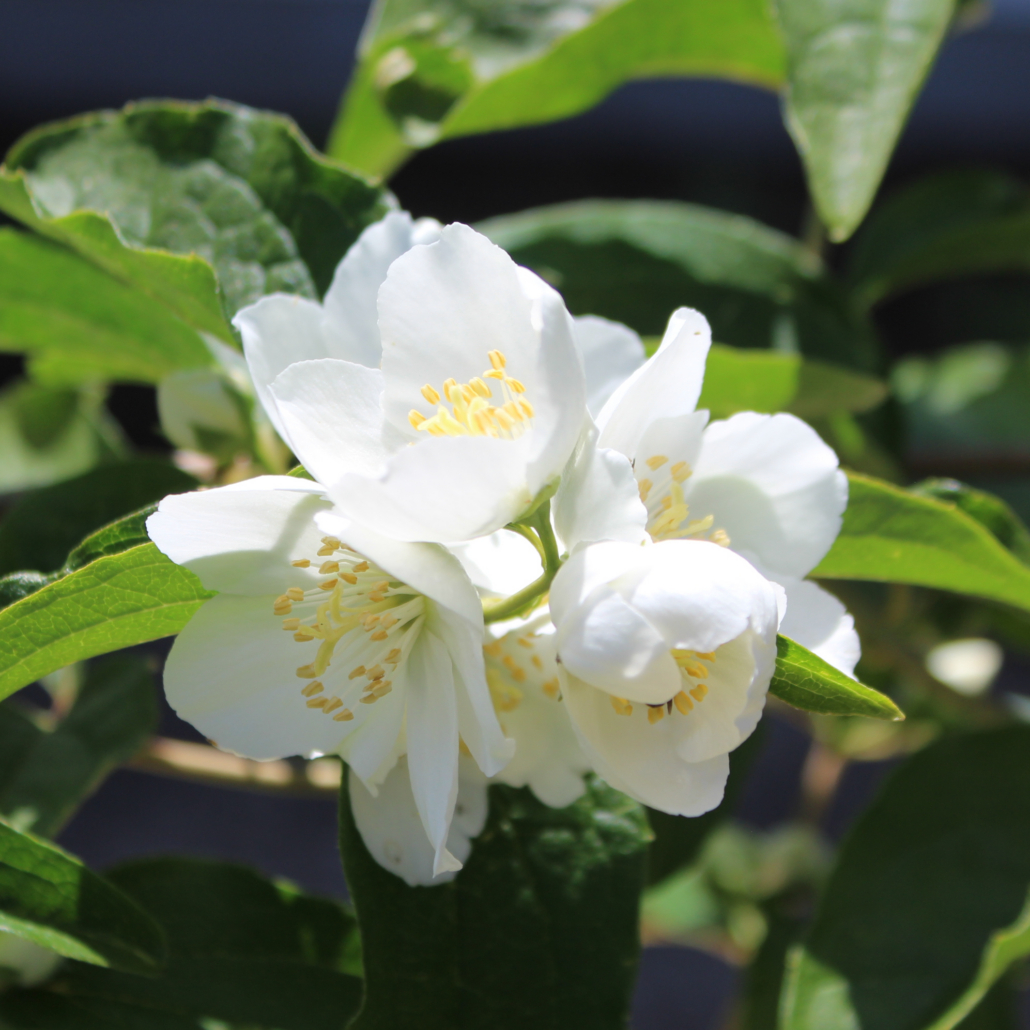
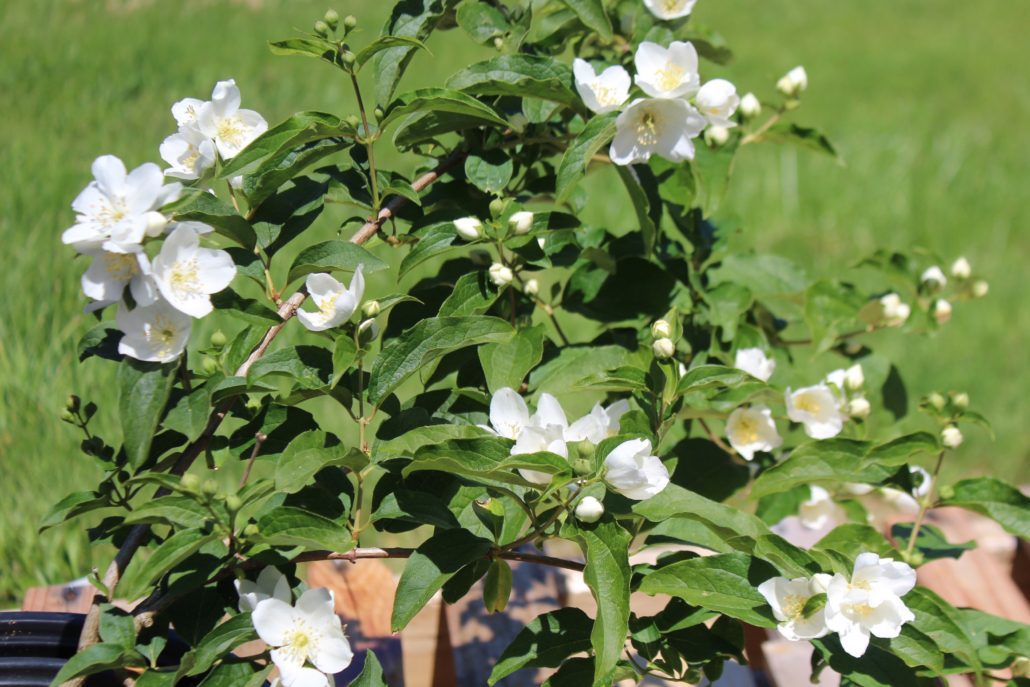
Copious Mock Orange is a rare, deciduous, fast-growing extra large shrub prized for its wonderfully aromatic white flowers that bloom in late spring/early summer. This is one of the largest Mock Oranges. Hardy, upright and can reach 10-12 ft tall and wide, featuring arching branches of deciduous green foliage and white flowers with a distinct and intense, sweet aroma. While many Philadelphus species have an orange blossom fragrance, P. laxiflorus can vary, with some describing it as a nostalgic scent reminiscent of cinnamon and grape candy.
Philadelphius laxiflorus has high drought tolerance once established and is ideal for low-maintenance landscapes. Highly valued as a specimen plant, an anchor plant in perennial beds, or used in hedges or screen rows due to its dense, upright growth habit.
Mock Oranges are generally not susceptible to any serious pests or diseases, they do well with little attention, and they’re easy to transplant, too. Pruning should only be done immediately after the bloom cycle finishes. Since they bloom on “old wood” (growth from the previous year), trimming in late summer or fall could cut away next year’s flower buds. However, cut branches make excellent, long-lasting floral arrangements.
Deer-resistant and pollinator-friendly.
Copious Mock Orange seeds require cold-moist stratification (typically 4 to 8 weeks) and surface-sowing with light to germinate reliably. Chill the seeds for 30 to 60 days at 34°F–41°F. You can do this by mixing the tiny seeds with damp sand or vermiculite in a sealed bag in the refrigerator, or by sowing them directly into flats outdoors in late fall/winter. In places like the PNW with mild, wet winters, outdoor winter-sowing can work well too, although less controlled.
Type: Perennial
Sun exposure: Full sun to part shade
Mature height: 10-12 ft
Mature width: 8 ft
Hardiness zones: 4-9


