Description
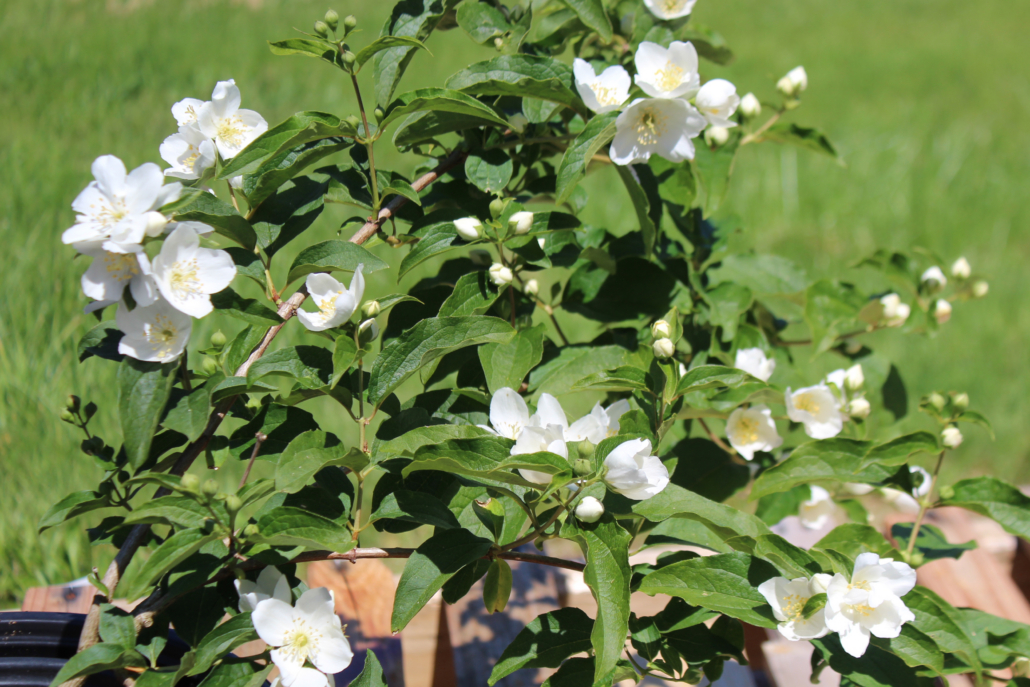
Philadelphius laxiforus (syn P. zhejiangensis) | Copious Mock Orange
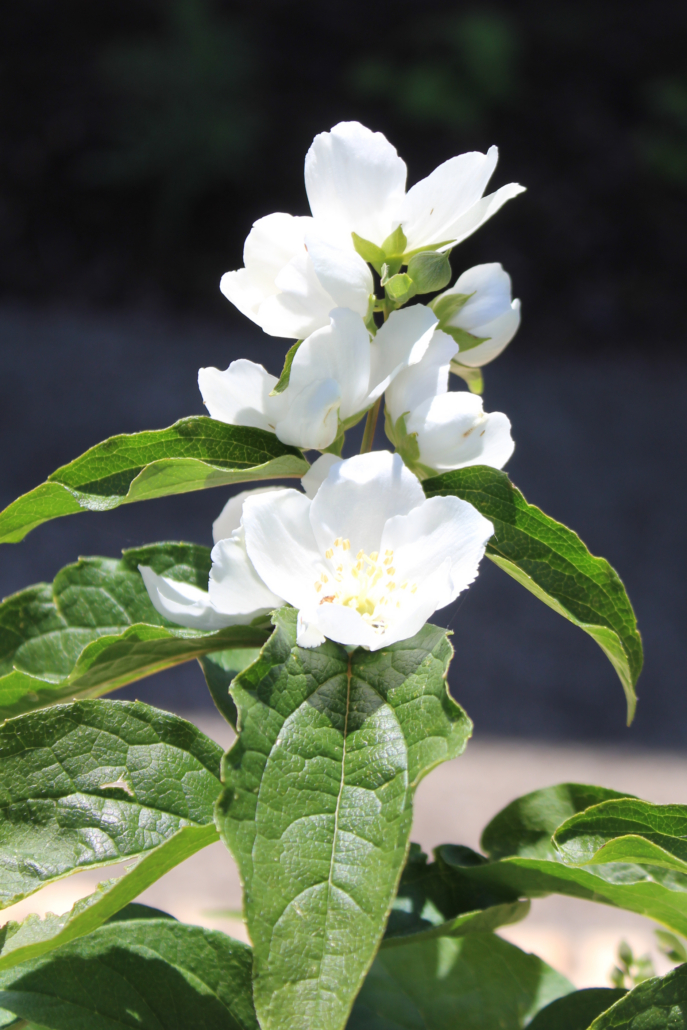
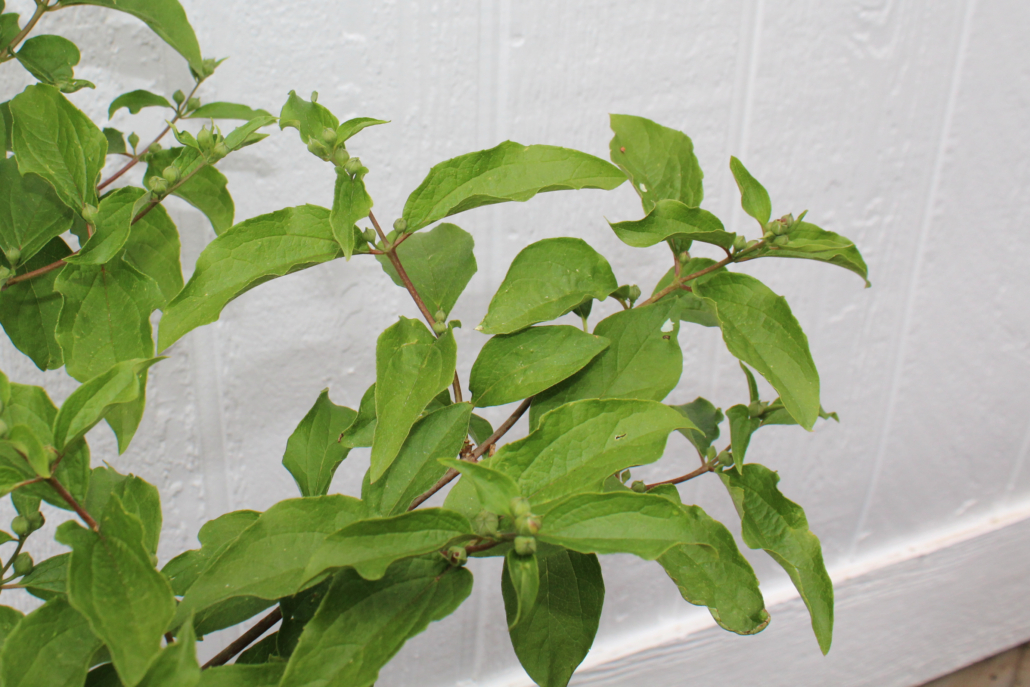
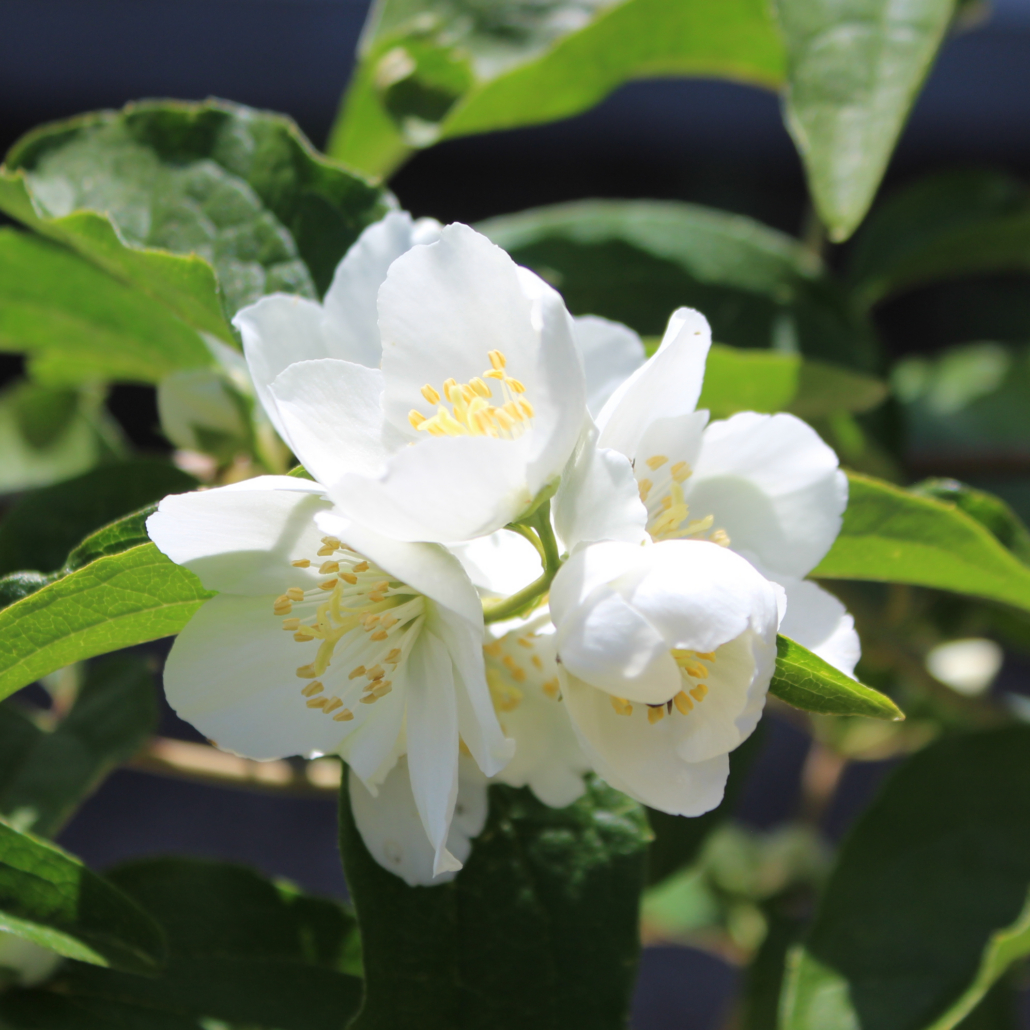
Copious Mock Orange is a rare, deciduous, fast-growing extra large shrub prized for its wonderfully aromatic white flowers that bloom in late spring/early summer. This is one of the largest Mock Oranges. Hardy, upright and can reach 10-12 ft tall and wide, featuring arching branches of deciduous green foliage and white flowers with a distinct and intense, sweet aroma. While many Philadelphus species have an orange blossom fragrance, P. laxiflorus can vary, with some describing it as a nostalgic scent reminiscent of cinnamon and grape candy.
Philadelphius laxiflorus has high drought tolerance once established and is ideal for low-maintenance landscapes. Highly valued as a specimen plant, an anchor plant in perennial beds, or used in hedges or screen rows due to its dense, upright growth habit.
Mock Oranges are generally not susceptible to any serious pests or diseases, they do well with little attention, and they’re easy to transplant, too. Pruning should only be done immediately after the bloom cycle finishes. Since they bloom on “old wood” (growth from the previous year), trimming in late summer or fall could cut away next year’s flower buds. However, cut branches make excellent, long-lasting floral arrangements.
Deer-resistant and pollinator-friendly.
Type: Perennial
Sun exposure: Full sun to part shade
Mature height: 10-12 ft
Mature width: 8 ft
Hardiness zones: 4-9
UNROOTED CUTTINGS:
- Price is for five cuttings (5)
- Each cutting is 4-9 inches long. May be single top or multi-top.
- Guaranteed to be green, healthy, and alive. Plus pest and pathogen free.
- Guaranteed to be true-to-name.
- Please only order unrooted cuttings if you are familiar and comfortable with rooting plants
- If it’s believed the plants are not alive and healthy when you receive them you must let us know any concerns you have within 24 hours of arrival. If we do not hear any concerns within 24 hours it will be assumed that everything arrived in good standing. We cannot be held responsible for mishaps, errors, mistakes, or bad luck after this time frame.
ROOTING INSTRUCTIONS:
How to prepare cuttings to root via rooting cubes inside a humidity dome.
- Upon arrival, give cuttings a new fresh cut on the bottom of the stem. Then set in a cup of water for a minimum of 15 minutes.
- After soaking, gently cut or scrape small marks into the bottom portion of the plant stem (½ inch) with scissors or a razor blade.
- Dip the scarred end of the stem into rooting gel or rooting powder (gel is superior). This can be done without rooting gel, but results are not as good.
- Insert the plant stem into a rooting cube (Oasis cubes, grow plugs, soil-cubes, rock-wool cubes, etc) and place into a nursery tray with a humidity dome over the top. One cutting per cube. Custom individual humidity domes can be made using plastic cups and/or plastic cling wrap.
- After the first 3-5 days, the humidity dome should be opened up or set ajar to slowly allow more air in as the plants start to root. At this point, the cubes should be allowed to become mostly dry before adding any more water.
- Once 2-3 roots grow out of the bottom of the root-cube, the plant can be transplanted into soil.
- More detailed rooting instructions will accompany your order.
We ship plants orders out on Mondays and Tuesdays only.