
Description
Papaver orientale | Oriental Poppy ‘Brilliant Red’
Poppies are a large family of flowering plants that include annuals, biennials, perennials, and even semi-shrubs and small evergreen trees. Oriental Poppies are the result of a complex hybridization of three different Papaver species and are undoubtedly one of the most brilliant herbaceous perennials to grace the early summer garden. Few flowers match the display they provide year after year.
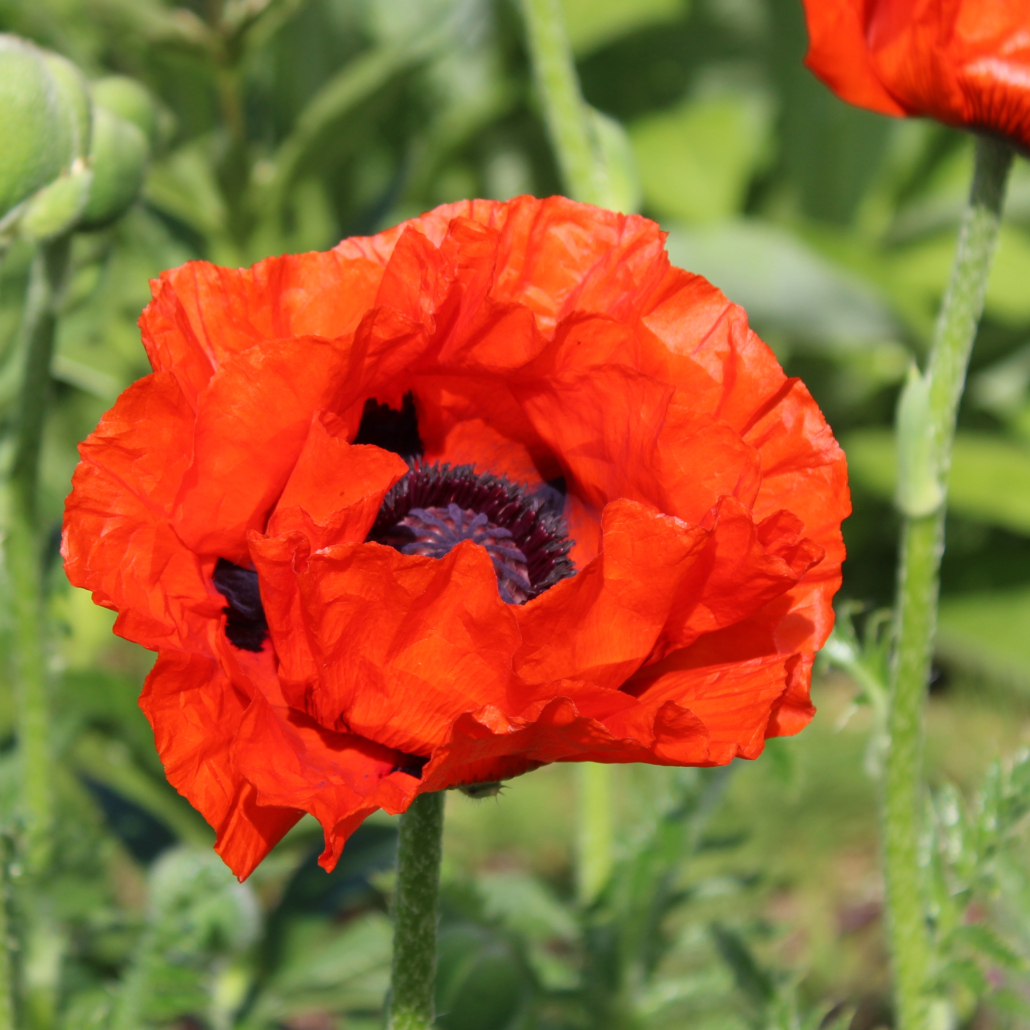
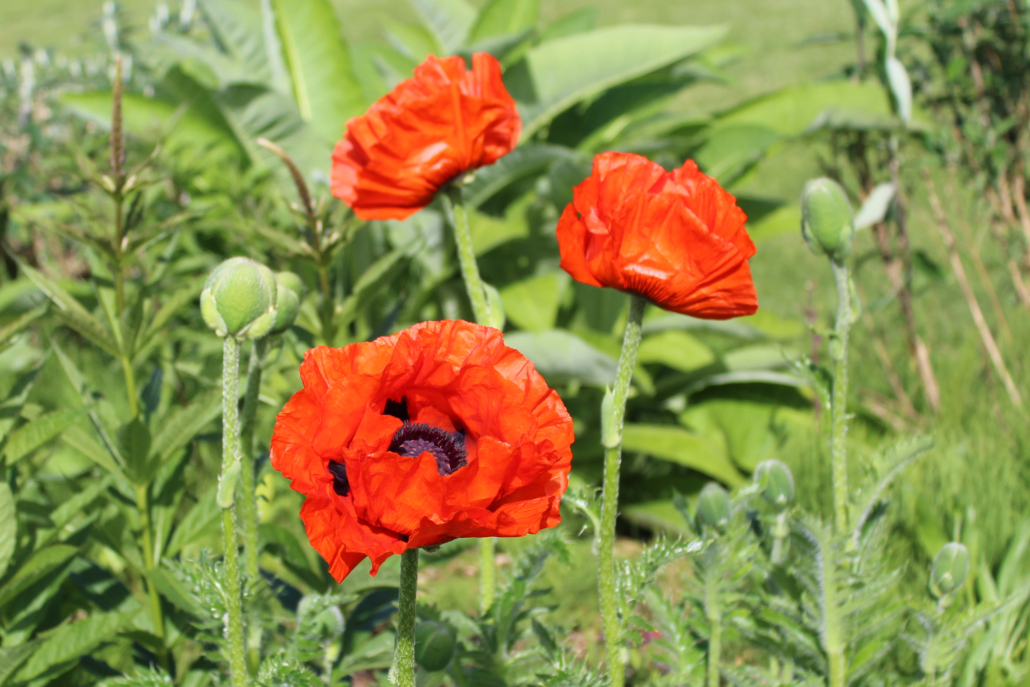
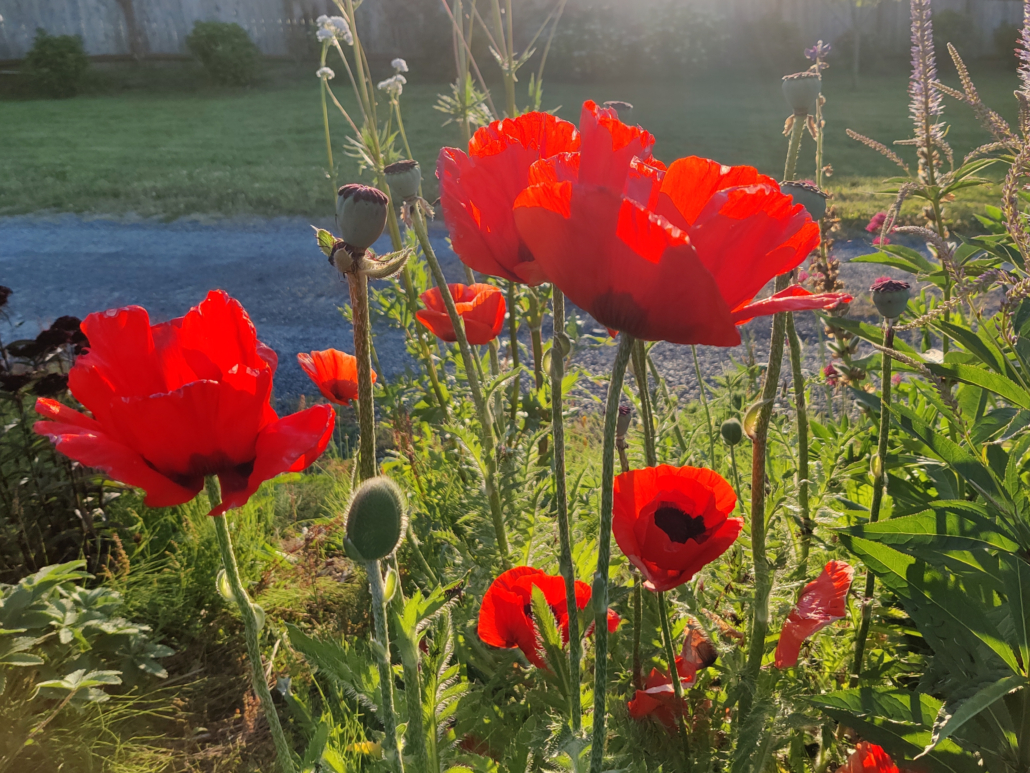
The ‘Brilliant Red’ Oriental Poppy has huge, fiery orange-red flowers with a distinctive shimmering black eye at the center that bloom in May-June. The flowers measure more than 6 inches across and the petals appear to be made of crepe-paper, or silk that appear to in the sun’s rays. Each bloom doesn’t last long which makes them all that more beautiful to see. They’re also regarded for the copious amount of seeds produced by each seed pod.
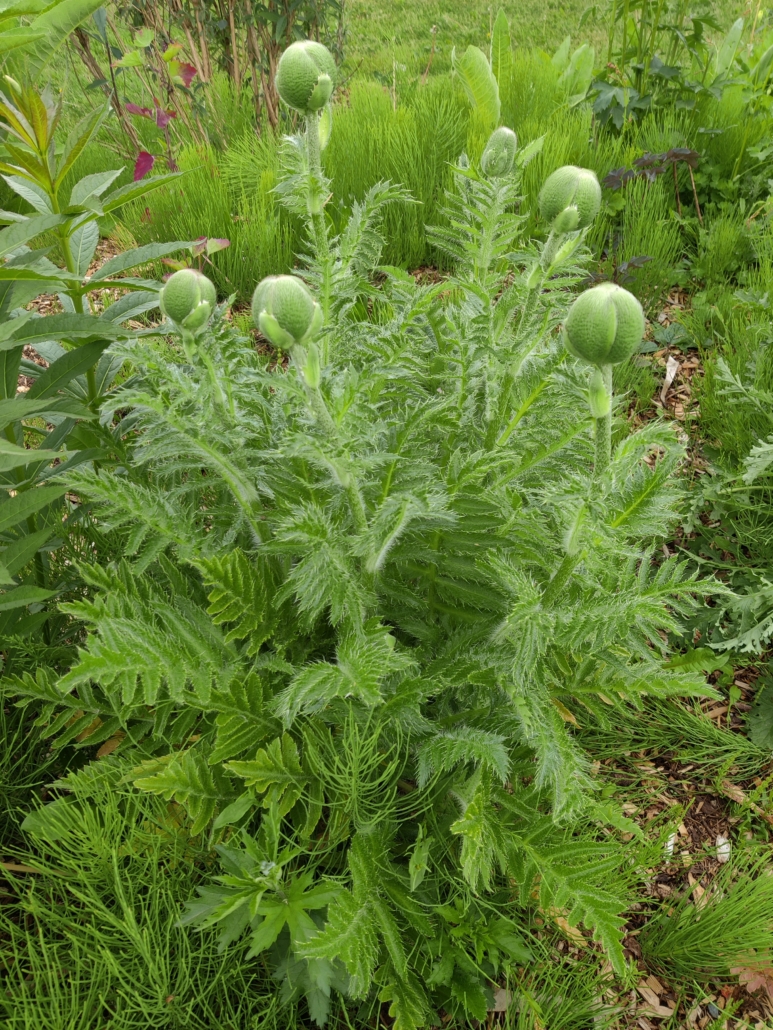
Oriental Poppies are best grown in colder climates (USDA zones 3 to 8) and aren’t the best choice for mild-winter regions, so the colder the weather, the better! For gardeners in zones 3 and 4 who struggle to find perennials that survive the winters, these poppies are for you! Plants will go dormant during the hot summer months, the leaves will fall off, and then in autumn new leaves will emerge that will stay evergreen through the winter.
‘Brilliant Red’ Poppies grow best in full sun in loose, well drained soil and should be planted out only when extreme heat is not anticipated. The seeds can be sown in the fall or early spring as soon as the last winter snow recedes. One can even scatter them at the edge of melting snow. (Freezing seeds for 48 hours before sowing can increase the germination percentage.) Seeds may not germinate if warmer than 60 F. May reseed moderately outdoors.
Autumn is the best time to plant in the ground so they can establish their roots and get the winter chilling they need to bloom the following spring. Spring-planted Oriental Poppies may not bloom until the following year.
The flowers attract a variety of beneficial insects to the garden in late spring, plus are deer and rabbit resistant, too.
Type: Perennial
Sun exposure: Full sun
Mature height: 2-3 ft
Mature width: 2-3 ft
Hardiness zones: 3-8


